
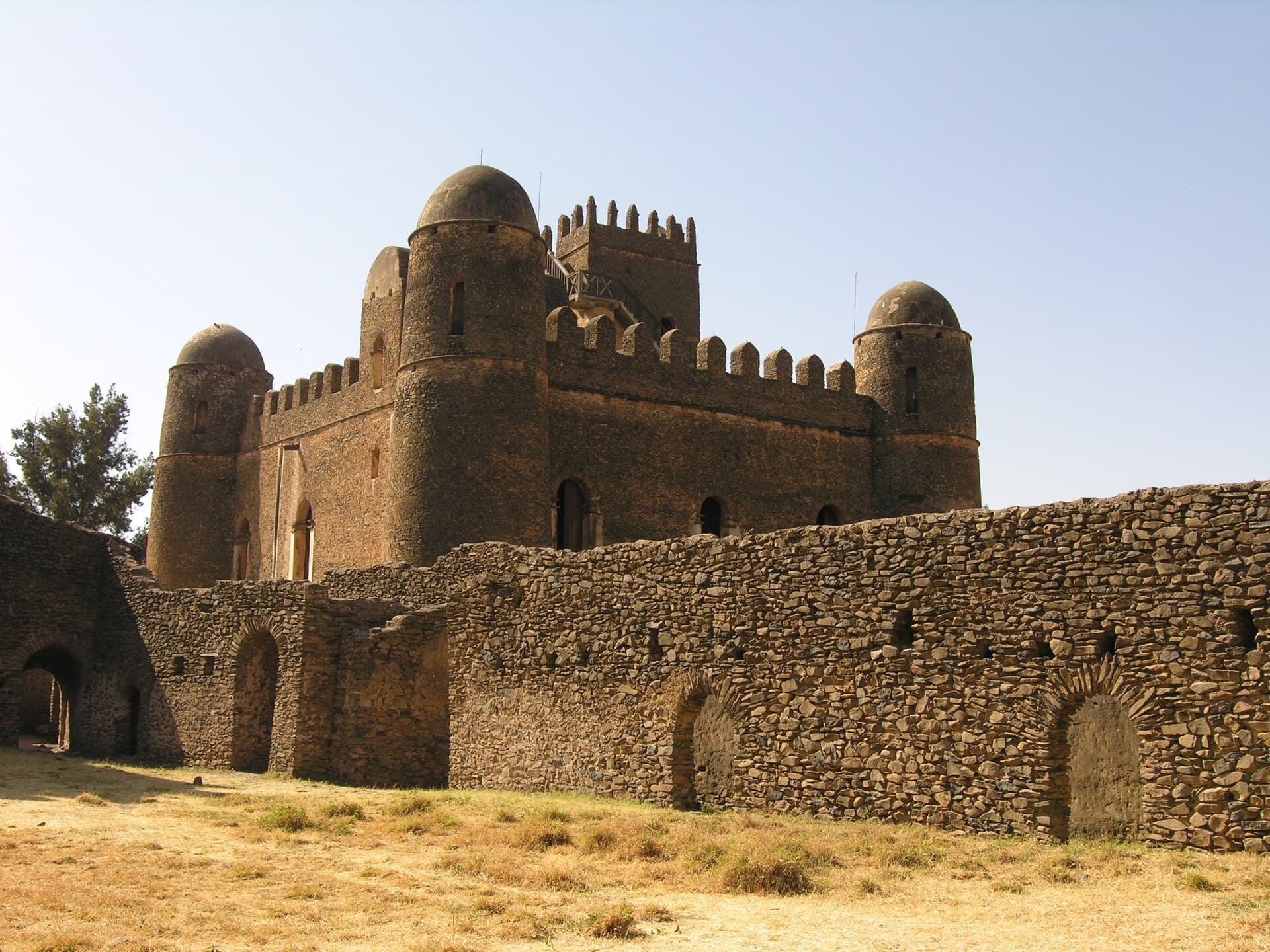
Travelers who reach Gondar often arrive with a short list of famous names: Fasil Ghebbi, Debre Birhan Selassie, Timkat, and the Simien Mountains. What they discover on the ground is richer: a highland city that once ruled an empire, still framing daily life with castles, painted churches, busy markets, and a university campus rhythm. This guide gathers the history, must-visit places, practical pacing, and where to rest between sites so you can plan a thoughtful stay rather than a rushed checklist.
Florida International Hotel sits near the University of Gondar Maraki campus, roughly a 10-minute drive from the historic core around Ras Gimb and Fasil Ghebbi. Use it as a comfortable base: spacious rooms, complimentary Wi-Fi, buffet breakfast from 6:00 AM to 10:00 AM, restaurant and bar service, and a 24-hour complimentary airport shuttle for confirmed guests arriving at Gondar Airport (GDQ).
Why Gondar is called the Camelot of Africa
Gondar rose as Ethiopia's imperial capital in the 17th century under Emperor Fasilides and remained a center of court life for generations. Stone castles, libraries, baths, and churches clustered into a landscape unlike anywhere else on the continent. Visitors and writers have long compared the city to Camelot: not as myth, but as a lived concentration of royal architecture set against highland light and mountain air.
Today Gondar is also a working city. Students fill Maraki streets, churches hold regular services, and markets sell spices, textiles, and produce. That mix of heritage and everyday life is part of the appeal. You are not walking through a sealed museum district; you are moving through neighborhoods that still orbit the old imperial monuments.
A brief history of the imperial capital
Before Gondar, Ethiopian royal courts often moved with the emperor. Fasilides shifted that pattern by establishing a more permanent capital in the northern highlands. Successive rulers added palaces and fortifications inside what is now called the Royal Enclosure, while religious foundations and noble residences spread across the surrounding hills.
Through the 18th and 19th centuries Gondar remained a political and cultural reference point even as power shifted elsewhere. The city's fabric still records those centuries in basalt walls, arched gates, and church compounds. Understanding that arc helps each visit feel connected: Fasil Ghebbi shows court ambition, Fasilidas' Bath shows ceremony, Debre Birhan Selassie shows living Orthodox art, and outlying sites like Kuskuam and Ras Gimb fill in the wider noble and religious map.
Watch: Gondar and Fasil Ghebbi in brief
Before you walk the enclosure walls, this short overview captures why travelers call Gondar Africa's Camelot and what makes Fasil Ghebbi stand out among UNESCO sites.
Fasil Ghebbi and the Royal Enclosure
Fasil Ghebbi is Gondar's signature stop and a UNESCO World Heritage site. High stone walls enclose a sequence of castles and palace ruins associated with successive emperors. Begin at the main gates, then move courtyard by courtyard as your guide introduces Fasiledes' Castle, later imperial halls, and quieter corners that once held libraries and court life.

Allow two to three unhurried hours. Morning light is kinder for photography and usually quieter. A licensed local guide at the entrance is worth the fee if you want stories behind each structure rather than only façades. From Florida International Hotel the enclosure is about 4.8 km / 3 mi; our front desk can help with taxi timing so you return for lunch or an early evening meal.
Fasilidas' Bath and the spirit of Timkat
A short distance from the main enclosure, Fasilidas' Bath offers a different mood: a stone pavilion above a ceremonial pool, framed by mature trees and quiet lanes. On ordinary days the site feels reflective. Arches mirror in still water, birdsong softens the walls, and there is room to photograph light and stone without rush.

Each January during Timkat (Epiphany), the pool is filled and thousands gather for baptismal celebrations that reconnect imperial heritage with living faith. Even if your visit falls outside the festival, standing at the bath helps you understand why Gondar's monuments still matter to the community. Tickets are often combined with Royal Enclosure entry; confirm current arrangements at the ticket office or with your guide.
Debre Birhan Selassie: the church of angels
Debre Birhan Selassie Church is among northern Ethiopia's most treasured sacred interiors. From outside, the stone compound can look modest. Inside, the ceiling is lined with rows of wide-eyed painted angels, while wall murals carry saints, miracles, and biblical narratives in vivid color.

Dress modestly and follow staff guidance on photography. Soft indoor light rewards slower looking. Local tradition remembers the church being spared during a 19th-century attack, a story still told beside the art that draws visitors today. The church is about 8 km / 5 mi from Florida International Hotel and pairs naturally with a Royal Enclosure morning and a bath stop in the same cultural day.
Kuskuam, Kidame Gebya, Falasha Village, and Ras Gimb
Kuskuam Church
Kuskuam sits on a hill outside the densest tourist loop and rewards travelers who want quieter sacred architecture and wide views back toward the city. The compound and surrounding landscape make a good counterpoint after the crowded enclosure gates.

Kidame Gebya market
Kidame Gebya is where Gondar shops, bargains, and gathers. Expect spices, coffee, textiles, household goods, and the energy of a working highland market. Go with a local companion if you prefer help with language and fair pricing, keep valuables close, and leave room in your schedule simply to watch the city move.

Falasha Village
Visits associated with the historic Beta Israel (Falasha) community are often arranged through local guides. Approach the stop with respect for living memory and craft traditions rather than as a photo-only stop. Ask your guide what is currently open to visitors and how to support artisans appropriately.

Ras Gimb
Ras Gimb is another imperial-era landmark often combined with a Fasil Ghebbi day. From Florida International Hotel it is about 5 km away. The site deepens your sense of how noble and royal residences once structured the city's hills beyond the main enclosure walls.

Simien Mountains day trips and highland activities
The Simien Mountains National Park, another UNESCO World Heritage landscape, sits roughly a 2.5-hour drive from Gondar. Escarpments, deep valleys, gelada monkeys, and cool alpine air make it the natural twin to a castle-focused city stay. Day trips work when time is short; multi-day treks with camping or lodge nights reveal more of the park's scale.

Park visits typically require guide and scout arrangements booked through operators in Gondar or Debark. Start early, pack layers, sun protection, water, and lunch, and confirm what your tour includes before you leave the hotel. Florida International Hotel works well as the night before and the night after: early breakfast timing, restaurant packed-lunch questions, and a quiet return to guest rooms.
This short clip offers a quick sense of the Simien landscape many guests combine with two or three nights in Gondar.
Suggested 2 to 3 day itinerary
Day 1: Castles, bath, and angels
Morning at Fasil Ghebbi with a licensed guide. Midday at Fasilidas' Bath. Afternoon at Debre Birhan Selassie. Return to Florida International Hotel near Maraki for dinner and an early night. If energy remains, add a short look toward Ras Gimb before sunset.
Day 2: City texture or Simien day trip
Option A: Kuskuam, Kidame Gebya market, and a respectful Falasha Village visit with a local guide. Option B: full-day Simien Mountains excursion with an early departure. Either way, keep the evening light: highland days are long on the feet.
Day 3 (if you have it): deeper Simien or slower Gondar
Use a third day for a longer Simien trek start, a second pass at favorite churches, or simply a recovery morning at the hotel with coffee and trip planning for Lalibela, Axum, or your onward flight from GDQ.
Packing tips for highland Gondar
Pack comfortable walking shoes for cobbles and uneven stone, a light sweater for cool evenings, sun protection for bright midday, modest clothing for churches, a refillable water bottle, and cash for guides, taxis, and market purchases. Dry season months from roughly November to April usually bring clearer skies for castles and viewpoints.
Staying at Florida International Hotel
Choosing a base near Maraki keeps logistics simple. Distances from the hotel are practical for planning: Fasil Ghebbi about 4.8 km, Ras Gimb about 5 km, Debre Birhan Selassie about 8 km, and Gondar Airport about 10.7 km. Sixty guest rooms, complimentary Wi-Fi, restaurant and bar service, 24-hour reception, and buffet breakfast from 6:00 AM to 10:00 AM support both leisure and light business travel.
When you are ready to reserve, explore rooms and book with Florida International Hotel or talk with our front desk about guides, taxis, and early breakfast for Simien departures. We look forward to welcoming you after each day among Gondar's castles and churches.
Further reading
Continue with our shorter Gondar culture guides: Gondar: Camelot of Africa, Visiting Fasil Ghebbi, Debre Birhan Selassie, Fasilidas' Bath and Timkat, Simien Mountains day trips, and Planning your Gondar stay.
Independent travel writing that helped shape itinerary pacing for guests includes Green Caviar Travel Blog on Gondar and Big World Small Pockets on Gonder and the Simien Mountains. For attraction context used across our discover pages, see also Brilliant Ethiopia's Gondar guides.
Photo credits
Still photographs in this guide are sourced from Wikimedia Commons and uploaded to our media library for this article. Credits include UNESCO / Wikimedia Commons (CC BY-SA 3.0 IGO) for Fasil Ghebbi views; Bernard Gagnon / Wikimedia Commons (CC BY-SA 3.0) for Fasilides Palace, Fasilidas' Bath, Simien Mountains, and related Gondar architecture; and A.Savin / Wikimedia Commons (Free Art License) for Debre Birhan Selassie frescoes. Video embeds remain on YouTube and are attributed to their respective creators.